
Dominant Hand in Palm Reading
 By fengcainiaoAugust 14, 2025Updated June 24, 20263 min read
In biology, the dominant hand usually means the hand people use most often for writing, eating, or daily tasks.
But in palmistry, the “dominant hand” carries deeper symbolic meanings that vary across traditions.
Western Palmistry: Present vs. Past
In Western palmistry, the dominant hand (usually the right for right-handed people) reflects your present actions and future path.
The other hand shows your inherited personality and natural tendencies.
The non-dominant hand is your nature, and the dominant hand is how nurture—life experiences, choices, and environment—reshapes you.
Indian Palmistry: Karma and Dharma
Indian (Vedic) palmistry takes a similar view but explains it in terms of karma.
The left hand shows destiny from birth and past karma (nature), while the right hand shows your active karma, the choices you make, and the dharma you create through your actions (nurture).
Chinese Palmistry: Gender-Based Reading
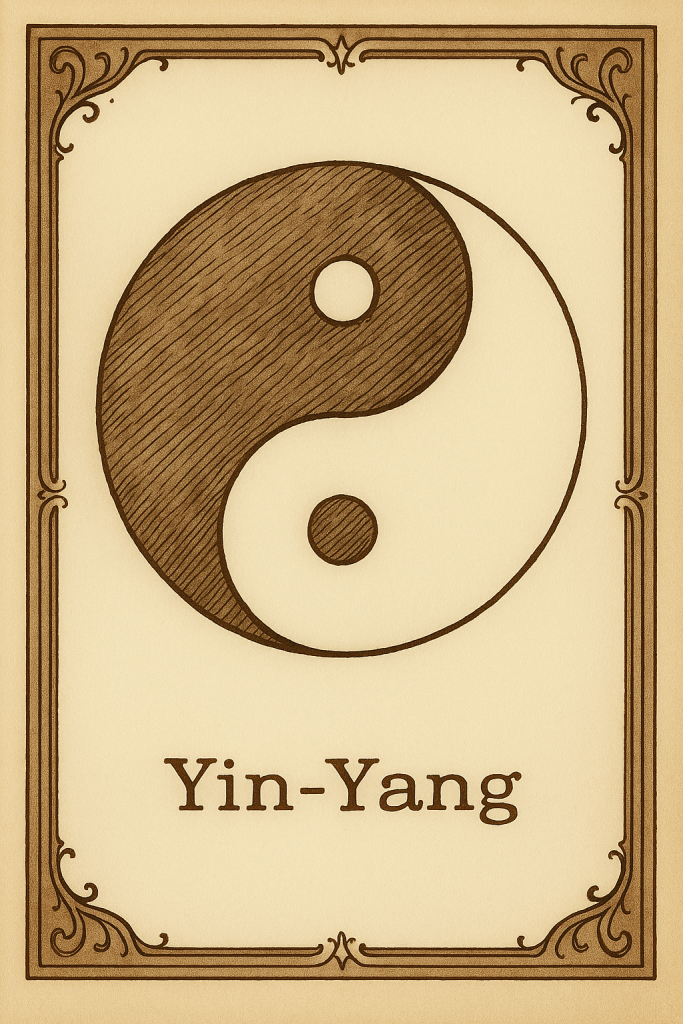
In Chinese palmistry, the difference is traditionally based on gender:
- Men are often read from the left hand (yang).
- Women are read from the right hand (yin).
This comes from yin–yang philosophy, where the left is associated with yang (male) and the right with yin (female). In a modern context, gender boundaries are more fluid, and this approach has been criticized as outdated. Still, it reflects how cultural traditions influence palm reading.
Scientific Studies on Dominant Hand
The dominant hand has been widely studied in neuroscience and psychology.
Research shows that about 90% of people are right-handed, and this dominance is linked to how the brain’s left hemisphere controls fine motor skills (Papadatou-Pastou et al., 2020, Psychological Bulletin).
Other studies suggest hand dominance may relate to differences in brain structure (Amunts et al., 1996, Nature) and may even influence memory and emotion processing (Hellige, 1993, Cerebral Hemisphere Asymmetry).
Reviews also note that handedness can be shaped by both genetic and environmental factors (Medland et al., 2009, Neuropsychologia).
They explain the biological nature of the dominant hand, they do not support the palmistry idea that palm lines predict life events.
The link between science and symbolism are still uncharted territory in research.
Linking Science and Palmistry
Even though science and palmistry approach the dominant hand differently, there are interesting parallels.
Neuroscience shows that the brain’s left hemisphere controls the right hand (analytical thinking), while the right hemisphere controls the left hand (creative thinking).
Palmistry reflects this by reading the left hand as nature and right hand as nurture.
Similarly, genetic studies that show handedness depends on both inheretance and environment.
Sounds familiar, right?
palmistry’s belief that both birth traits and life experiences leave visible traces echo this idea.
The key difference is that science measures physical wiring and behavior, while palmistry translates these ideas into symbolic readings of hand lines.
Contemporary Palmistry View: Read Both Hands
So, when you start reading your hand, which one should you look at?
We at Aurapalm recommends the traditional Chinese approach.
But it is up to you and the reading might slightly differ.
Most contemporary palm readers agree that both hands should be studied.
The left palm reveals who you are by nature—your inner psychology, traits, and potential.
The right palm reveals how nurture shapes you—through education, family, environment, and personal choices.